
Iron deficiency is the most common mineral deficiency worldwide, affecting millions of people and significantly impacting energy levels, athletic performance, and overall health. Understanding how to optimize iron absorption can be the difference between feeling constantly fatigued and achieving your peak physical potential.
Why Iron Matters for Your Body Transformation
When your body lacks sufficient iron, it struggles to produce hemoglobin—the protein in red blood cells that carries oxygen to your tissues. This leads to iron deficiency anemia, resulting in extreme weakness, fatigue, and poor exercise performance. For anyone serious about transforming their physique, maintaining optimal iron levels is non-negotiable.
The Two Types of Iron: Not All Sources Are Created Equal
Heme Iron: The Superior Choice
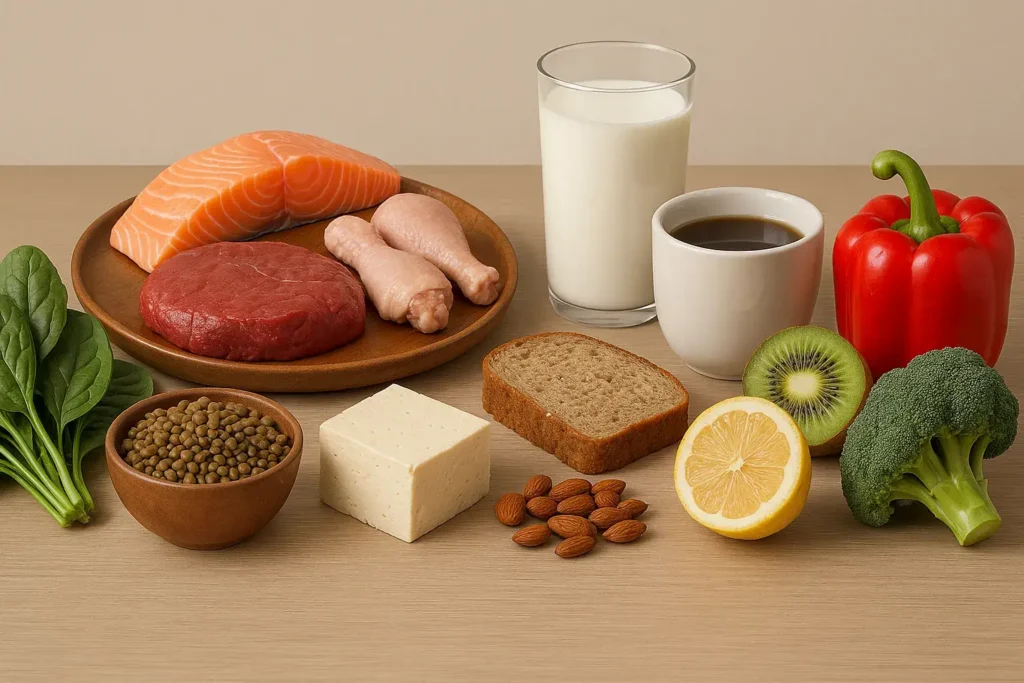
Meat sources contain heme iron, which is the most bioavailable form your body can absorb. This type of iron is readily absorbed by your digestive system and isn’t affected by other foods you eat alongside it. Red meat, poultry, fish, and organ meats are excellent sources of heme iron.
Non-Heme Iron: The Challenging Alternative
Vegetarian sources provide non-heme iron, which faces significant absorption challenges. While foods like spinach, lentils, fortified cereals, and tofu contain iron, your body struggles to absorb it efficiently—especially when combined with certain foods.
The Absorption Blockers You Need to Know
Several compounds can dramatically reduce your body’s ability to absorb non-heme iron:
Calcium found in milk and dairy products acts as a major inhibitor. That glass of milk with your iron-rich meal could be sabotaging your absorption.
Polyphenols and tannins present in tea, coffee, and some wines create another barrier. If you want to absorb virtually no iron from your meal, have a cup of tea with milk—it’s the perfect storm of absorption inhibitors.
Phytates in whole grains and legumes can also interfere with iron uptake, though these foods often contain iron themselves.
Foods That Increase Iron Absorption
Vitamin C Powerhouses
Vitamin C is your most powerful ally for non-heme iron absorption, capable of increasing absorption by up to 4 times. Include these vitamin C-rich foods with your iron-rich meals:
Citrus fruits: Oranges, grapefruits, lemons, limes, and tangerines Berries: Strawberries, blackberries, raspberries, and blueberries Tropical fruits: Kiwis, pineapple, mango, papaya, and guava Vegetables: Bell peppers (especially red), broccoli, Brussels sprouts, cauliflower, and tomatoes Leafy greens: Spinach, kale, and cabbage (which also contain iron themselves)
Other Absorption Enhancers
Organic acids from citrus fruits and fermented foods create an acidic environment that helps convert iron into a more absorbable form.
Meat, poultry, and fish contain not only heme iron but also enhance the absorption of non-heme iron from other foods eaten in the same meal.
Fermented foods like sauerkraut, kimchi, and pickled vegetables provide organic acids that boost iron uptake.
Cooking methods can help too—using cast iron cookware adds small amounts of iron to food, while cooking tomatoes increases their vitamin C availability.
Red Meat: A Nutritional Powerhouse
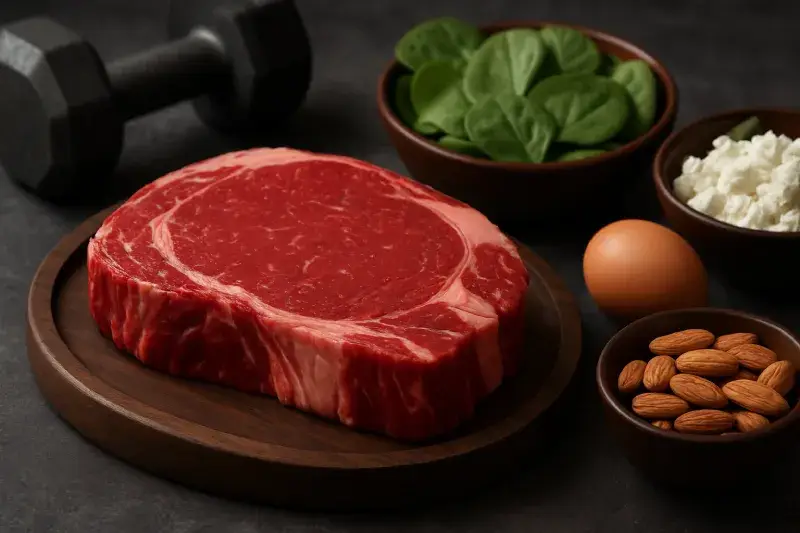
Red meat stands out as an exceptional source of bioavailable iron that supports lean muscle development and athletic performance. Unlike plant sources, the heme iron in red meat bypasses the absorption challenges that plague non-heme iron sources. For those focused on building a lean, athletic physique, red meat provides not only superior iron but also complete proteins and essential B vitamins.
Strategies for Vegetarians and Plant-Based Eaters
If you follow a vegetarian diet, strategic meal planning becomes crucial:
Combine wisely: Pair iron-rich foods with vitamin C sources. Add strawberries to your iron-fortified cereal, or include bell peppers in your lentil dishes.
Time your beverages: Avoid tea, coffee, and dairy products within two hours of iron-rich meals.
Cook smart: Use cast iron cookware to add small amounts of iron to your food.
Consider timing: Eat iron-rich foods when your stomach is relatively empty for better absorption.
Practical Implementation
Whether you’re carnivore or vegetarian, optimizing iron absorption requires attention to food combinations and timing. For meat-eaters, the path is straightforward—include quality red meat, poultry, or fish in your diet. For vegetarians, success depends on strategic pairing of foods and careful avoidance of absorption inhibitors.
Understanding these principles ensures you’re not just eating iron-rich foods, but actually absorbing the iron your body needs to fuel your transformation goals.